NAB’s latest research finds 40% of SMEs are already using AI and a further 13% plan to adopt it, with businesses telling NAB what they need now are real-world examples, and guidance on how to use AI responsibly and securely.
How Australian small businesses are using AI to save time and improve productivity - NAB


21 August 2026
Artificial Intelligence Business Banking
From accounting firms to healthcare providers, Australian small businesses are using AI to reduce admin, improve service and free up staff time.
NAB research found real-world examples are the biggest driver of confidence for SMEs considering AI adoption.
NAB and the National AI Centre are collaborating on practical AI training to help SMEs turn interest into action.
For many businesses, AI adoption starts with solving a specific problem or removing a repetitive task.
Three businesses in accounting, healthcare and physiotherapy show how AI is moving from hype to practical help: saving time, improving service and helping teams build new capability.
The examples come as NAB research (PDF, 701KB) shows 40% of SMEs are already using AI and many others are looking for practical guidance on where to start. NAB is partnering with the National AI Centre to develop training that helps businesses adopt AI safely and confidently.
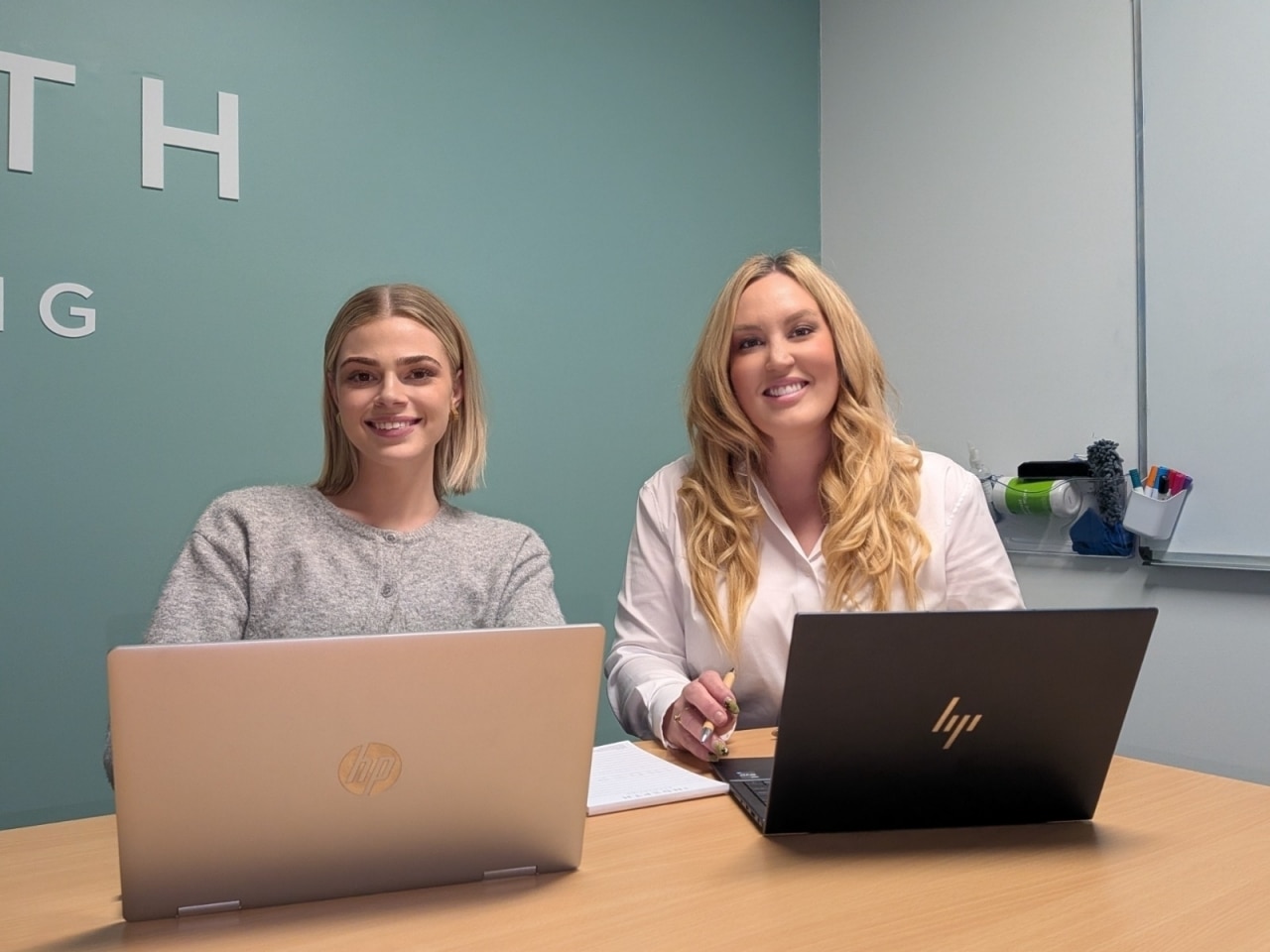 Indepth Accounting Business Administrator turned agent-builder Lili Saffioti (L) and Director Renee Cooper (R)
Indepth Accounting is a Maroochydore-based accounting business led by Director Renee Cooper. The business has 13 staff, including administrators, bookkeepers and senior accountants, and supports business clients across accounting, tax and advisory work.
Ms Cooper said her team had been experimenting with AI for about 18 months, truly beginning to harness it in the past six months with the development of custom AI agents and workflow automation.
One of the clearest examples is an agent that captures “the InDepth way”.
A team member can ask how a task should be done, such as collating a BAS, and the agent can step through the business’s process.
The firm is also building review support, including an agent designed to review tax statements against the firm’s standards before they are finalised.
For Ms Cooper, the story is about changing how people learn and develop.
“One of the biggest surprises from our AI journey has been the opportunities it’s created for our people. Lili Saffioti joined our business as an administrator, but today she’s helping build the AI agents and workflows that support how we operate,” Ms Cooper said.
“Instead of spending years learning through repetitive data entry tasks, AI has allowed her to develop technology, process and advisory skills much earlier in her career, accelerating her growth in ways that simply weren’t possible before.”
Ms Cooper said there is a perception that AI will remove jobs, but her experience has been more nuanced. By automating some of the routine administrative and processing work, the business is creating more space for team members to build advisory, relationship and problem-solving skills.
“Technology can generate analysis, but businesses still need someone who can ask the right questions, provide accountability and help turn insights into action,” Ms Cooper said.
Growlife Medical is a Queensland general practice group founded by GP Dr Aaron Chambers. The practice uses AI across several parts of the business, from marketing and search engine optimisation to financial dashboards, clinical documentation and population health tools.
At the clinical level, one of the most tangible examples is AI notetaking technology. During a consultation, the technology helps generate clinical notes, reducing the need for doctors to split their attention between the patient and the keyboard.
“AI is already changing how we operate in clinics for the better. AI note-taking technology helps generate clinical notes during consultations, so our doctors can give their full attention to the patient,” Dr Chambers said.
“Cutting down on administration helps our GPs, but the real advantage is for patients; they feel truly listened to and engaged, with GP focus no longer split between the patient and note-taking.”
“I had one patient tell me how helpful it was to leave with a written summary that he could take home and discuss with his wife, knowing he hadn’t missed anything important. It’s a simple example of how AI can improve communication and help people feel more in control of their healthcare.”
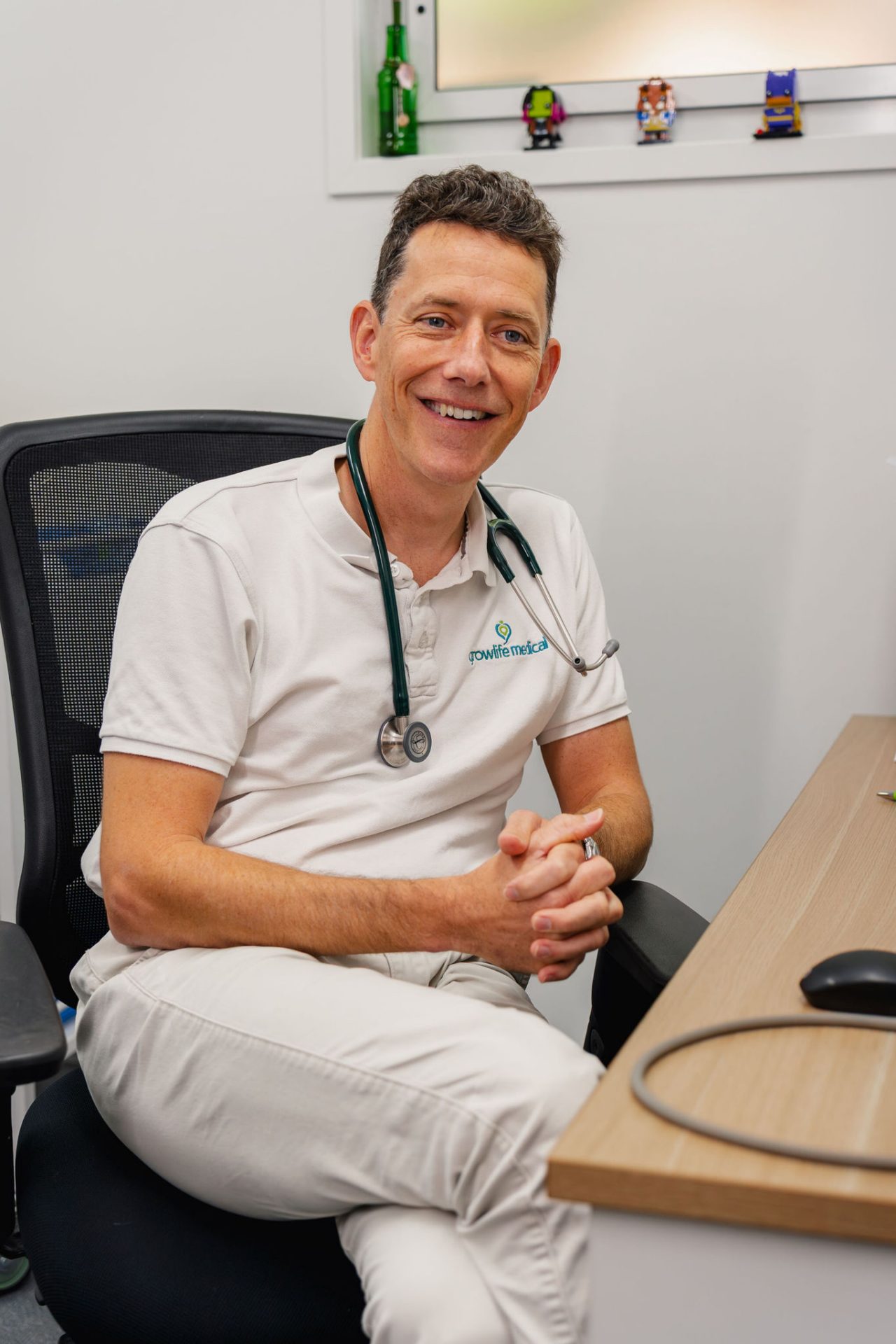 Growlife Medical founder Dr Aaron Chambers
Growlife has also developed Practice Mate, a population health automation tool that helps identify patients who may have missed recommended follow-up care or check-ups. Rather than relying only on manual searches, the tool can support more targeted outreach to patient groups that may benefit from preventive care.
Dr Chambers said healthcare generates large amounts of data, with patients increasingly contributing via sources such as wearable devices, sleep trackers and exercise data. The opportunity he believes is using it safely and practically to support more personalised care which can improve patient outcomes.
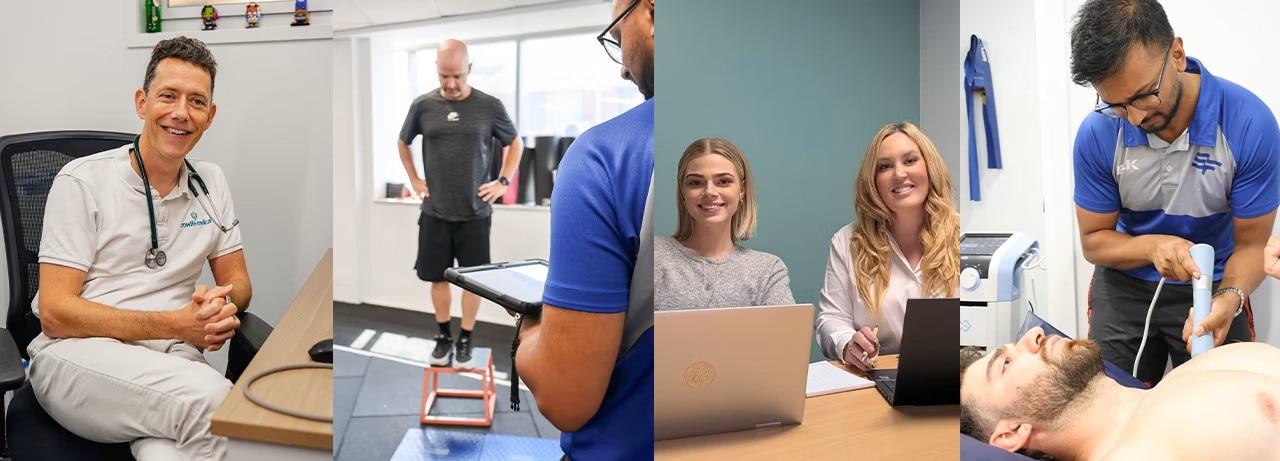
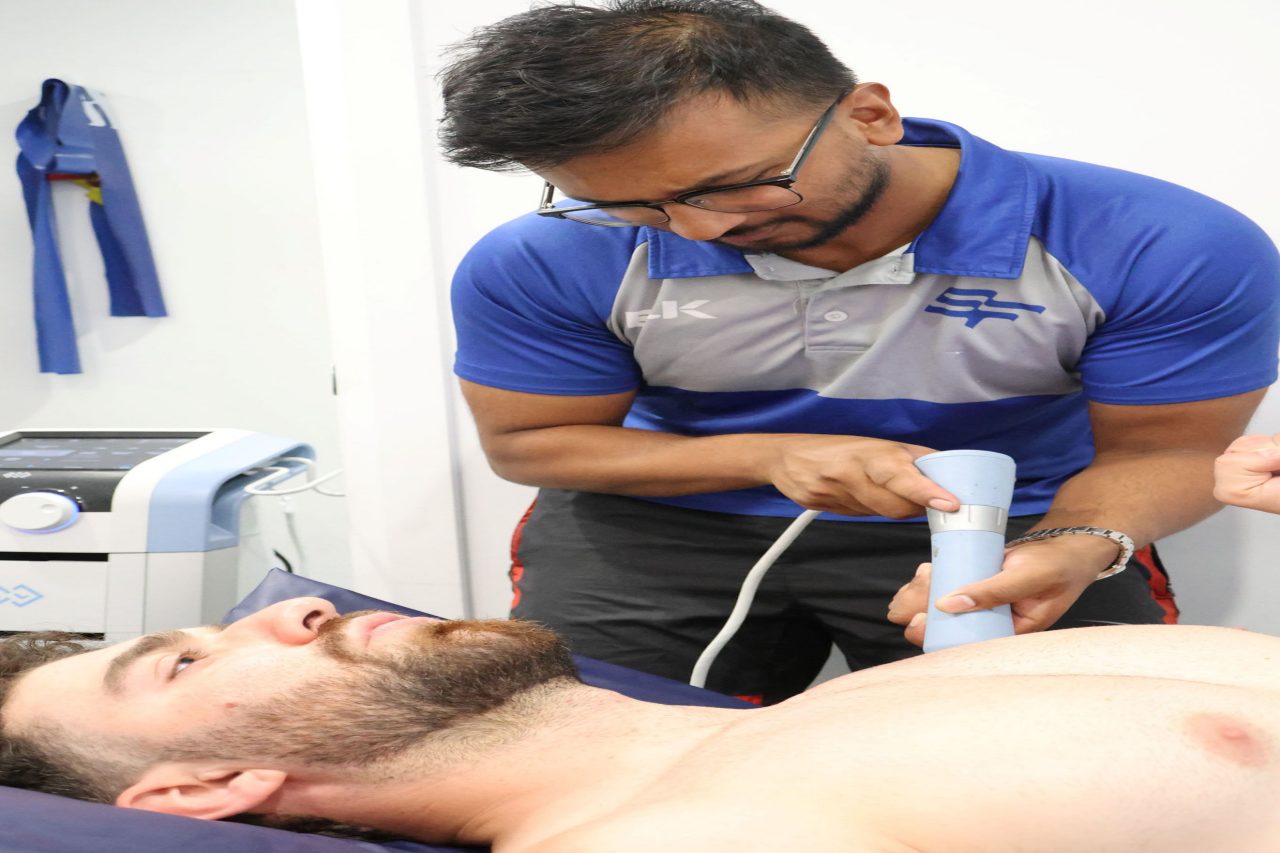 SportsFit Health and Rehab founder and sports physiotherapist Jay Kasthuri treating a patient
SportsFit Health and Rehab was founded by sports physiotherapist Jay Kasthuri. After working in professional sport, Mr Kasthuri saw an opportunity to bring a more advanced, performance-style model of treatment to everyday patients.
For SportsFit, AI has become a practical tool for improving how the business runs behind the scenes. Early use included automated email forwarding powered by Claude, helping connect sender names and treating specialists and saving about seven to eight hours a week.
The business has also used AI to support marketing, by looking at physio-related search activity and building content around common patient questions, such as Achilles pain. Jay Kasthuri is also building tools to support clinical and administrative workflows, including one that can read patient notes and files to help draft letters and reports to specialists.
“The exciting thing about AI is that it allows small businesses to solve problems that previously needed a dedicated technology team,” Mr Kasthuri said.
“Whether it’s improving reporting, marketing or clinical workflows, we’re able to build tools that fit our exact needs. If we can identify a problem, we can often create a solution ourselves. Ultimately, what it means is staff spending less time on admin and more time with patients, which is a win-win.”
NAB is working with the National AI Centre (NAIC) to develop a training program for SMEs.
The practical education program is designed to help businesses identify opportunities for AI, build capability and apply technology in ways that improve productivity and support growth.
About the program
The NAB and National AI Centre training program will provide practical support to help small and medium businesses adopt AI with confidence.
Participants will have access to real-world business examples and pathways designed to help them identify opportunities, improve productivity and use AI responsibly.
Dates and registration details will be announced shortly.
Subscribe to NAB’s Small Business View newsletter here to and be the first to know when registrations open. You’ll also receive practical business insights, news, event invites and resources to help your business.
Want to learn more?
Read our AI for small business FAQs
Visit NAB's Small Business Hub to access our free guide on how to use AI safely, plus links to introductory AI courses.
For all media enquiries, please contact the NAB Media Line on +61 3 7035 5015