The biggest dividend pay week of the year has arrived, with thousands of young Australians set to receive payments from companies they’ve never worked for.
Parents question impact of tap-and-go spending on kids’ money habits - NAB


17 July 2026
Personal Finance
From tapping phones to one-click checkouts, money has never been easier for kids to spend, but according to new NAB insights, some parents are starting to worry it’s also becoming harder for them to understand.
New NAB insights show teenagers are just as likely to spend money online (36%) as they are in-store (34%), with around one in three families saying their children use both equally.
Some parents are starting to worry about how digital spending is affecting teenagers’ understanding of money, with one in five parents saying online purchases are having a harmful effect on how their children value money.
NAB Banker Larna Manson said these early experiences can shape how kids think about money later on.
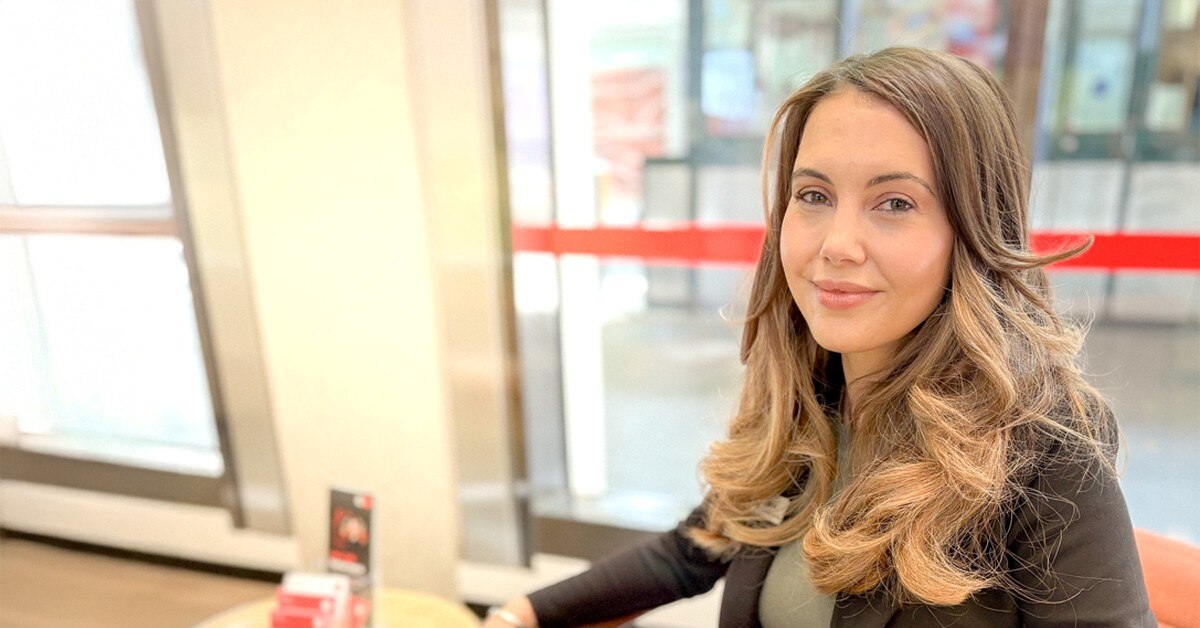 NAB Banker Larna Manson
“Teens are growing up in a world where money isn’t something you always see or hold,” Ms Manson said.
“Whether it’s buying lunch or tapping on for the train, it’s those small, everyday choices that build habits, and when money feels invisible it’s easy to lose track of what you’re spending.
“Kids learn about money by seeing and doing. The school holidays are full of everyday moments where parents can bring them into the decision, whether it’s paying for lunch or choosing how to spend their pocket money.”
Ms Manson suggested five easy ways to teach kids about money these school holidays:
1) Make money visible: Get kids to check their balance before and after holiday spending like snacks or activities, so they can see where it’s going.
2) Pause before buying: Encourage kids to stop and think before tapping or clicking ‘buy’, especially with more spending moments over the break.
3) Connect spending to real life: Link purchases to how long it took to earn or save the money to build a sense of value.
4) Use everyday moments: Holiday activities like eating out, going to the movies, or catching transport are great chances to talk through choices and trade-offs.
5) Keep it simple: Set small limits or savings goals for the holidays to help kids build good habits early.
 Financial therapist Dr Amanda Craft
Financial therapist Dr Amanda Craft said digital money changes the psychology of spending because it removes many of the physical cues traditionally associated with money.
“When money is tapped, clicked or automatically deducted, the transaction can feel less real, even though the financial consequences are exactly the same,” Dr Craft said.
“Families often focus on teaching children how to use money, but it's equally important to teach them why. Every spending decision reflects underlying values, whether that's prioritising experiences, saving for the future or giving back to others.
“Children learn money habits through the everyday experiences and conversations they see at home, from how adults spend and save to the trade-offs they make along the way.”
For all media enquiries, please contact the NAB Media Line on +61 3 7035 5015